


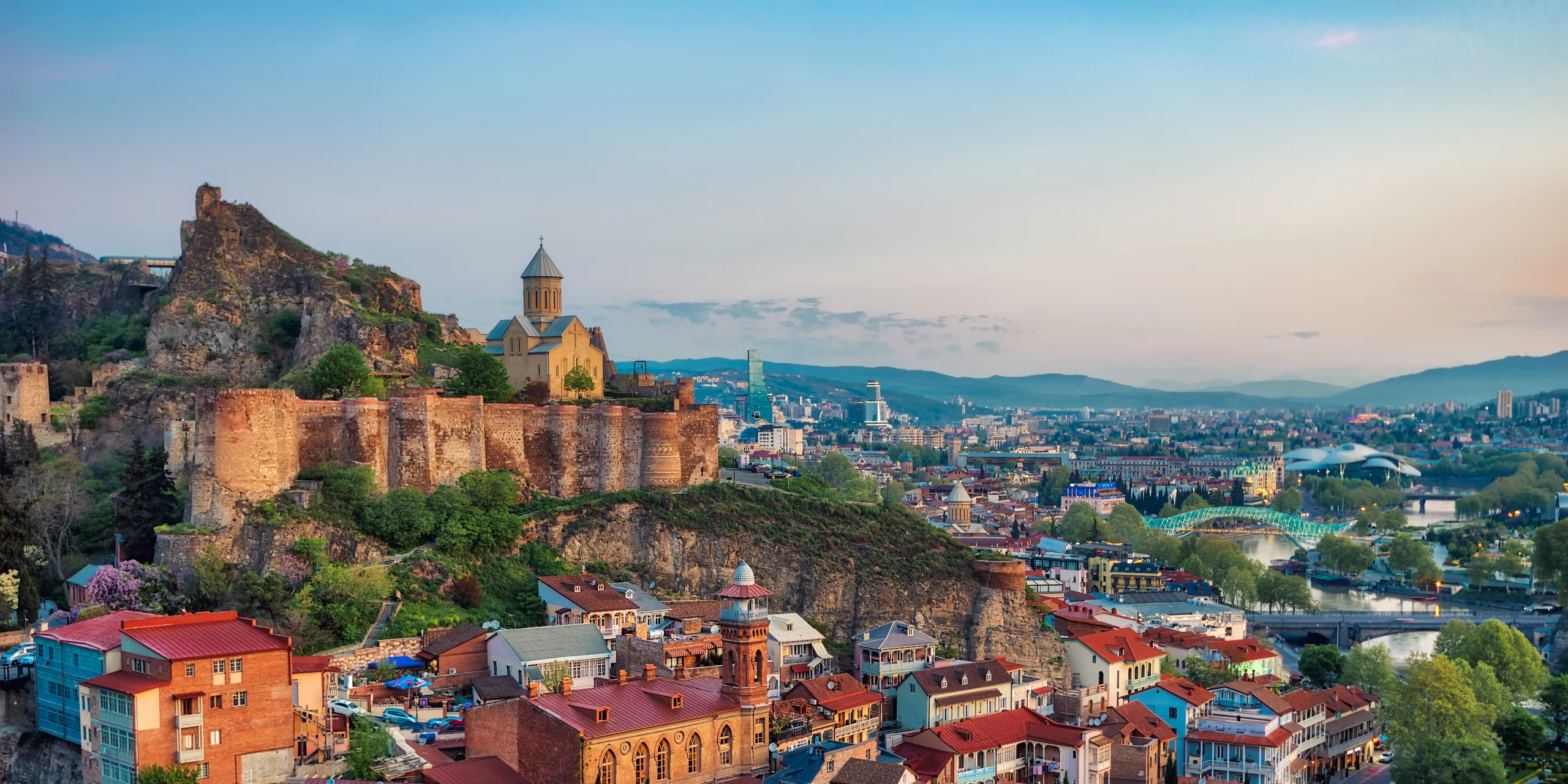
Overview
Why Visit Georgia
Georgia offers European charm without the heavy costs or visa hassles. With breathtaking mountains, ancient monasteries, and lively cities, it’s perfect for leisure, honeymoon, and incentive tours. Visa-free for Indian nationals with valid Schengen or UAE visas.
Highlights
- Tbilisi: Explore cobblestone streets, thermal baths, and vibrant nightlife.
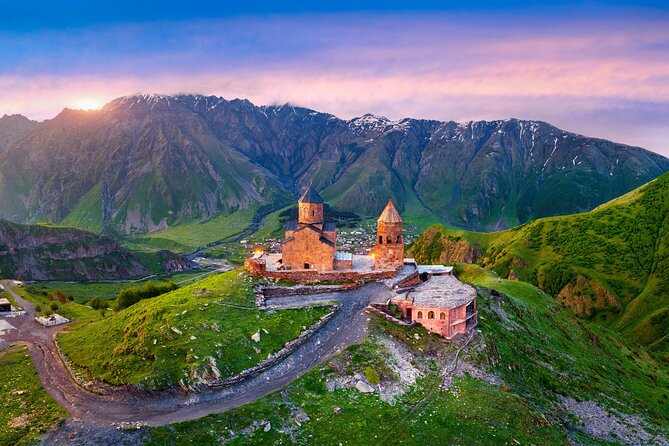
- Kazbegi: A mountain paradise for photography and adventure lovers.
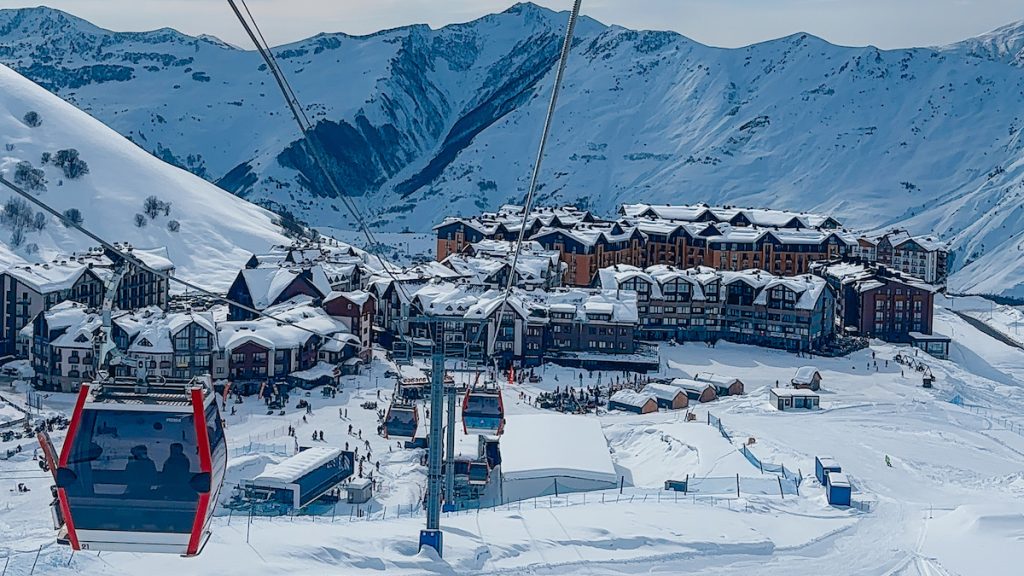
- Gudauri: The ultimate ski and snow destination.
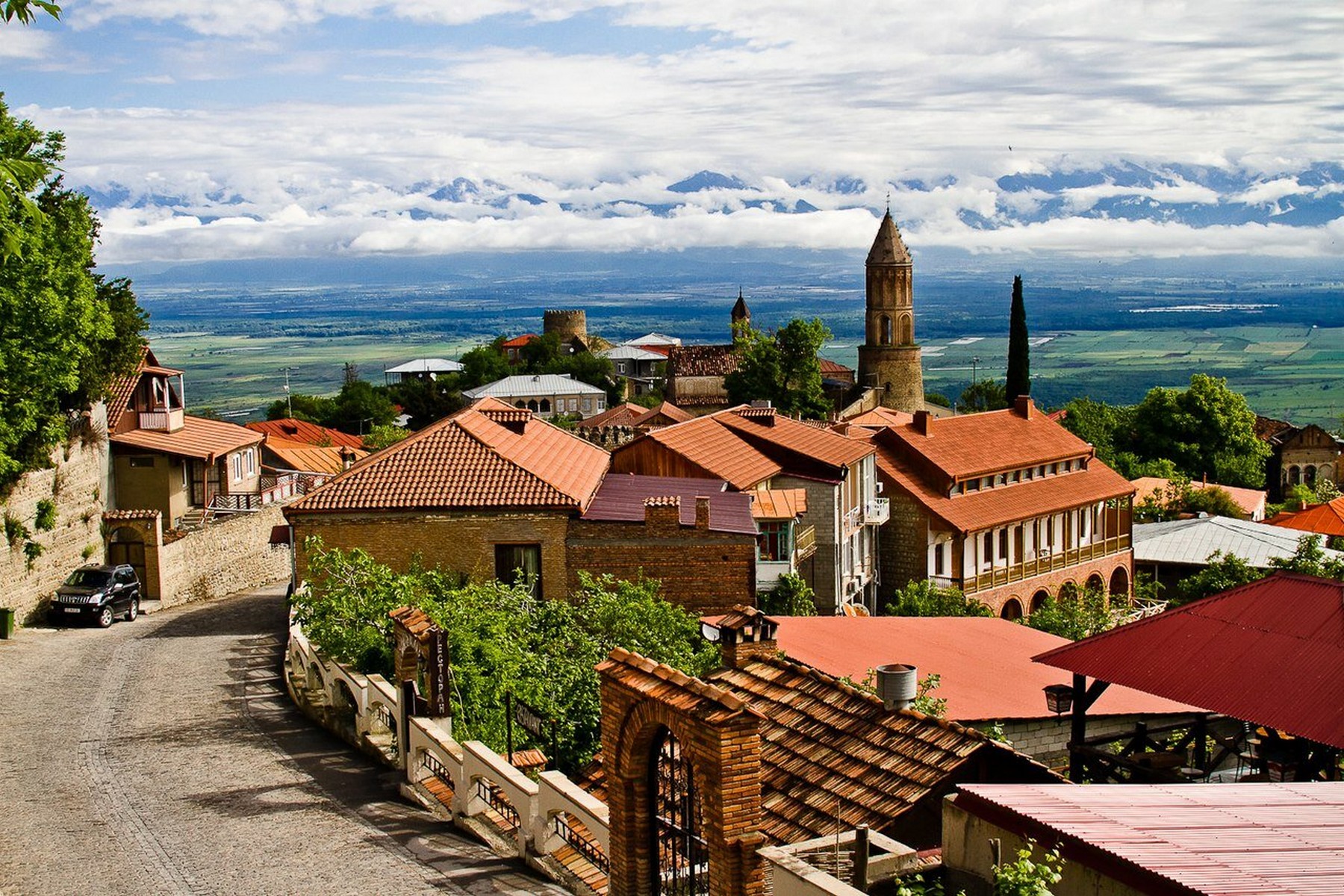
- Kakheti: Known for ancient vineyards and authentic wine tours.
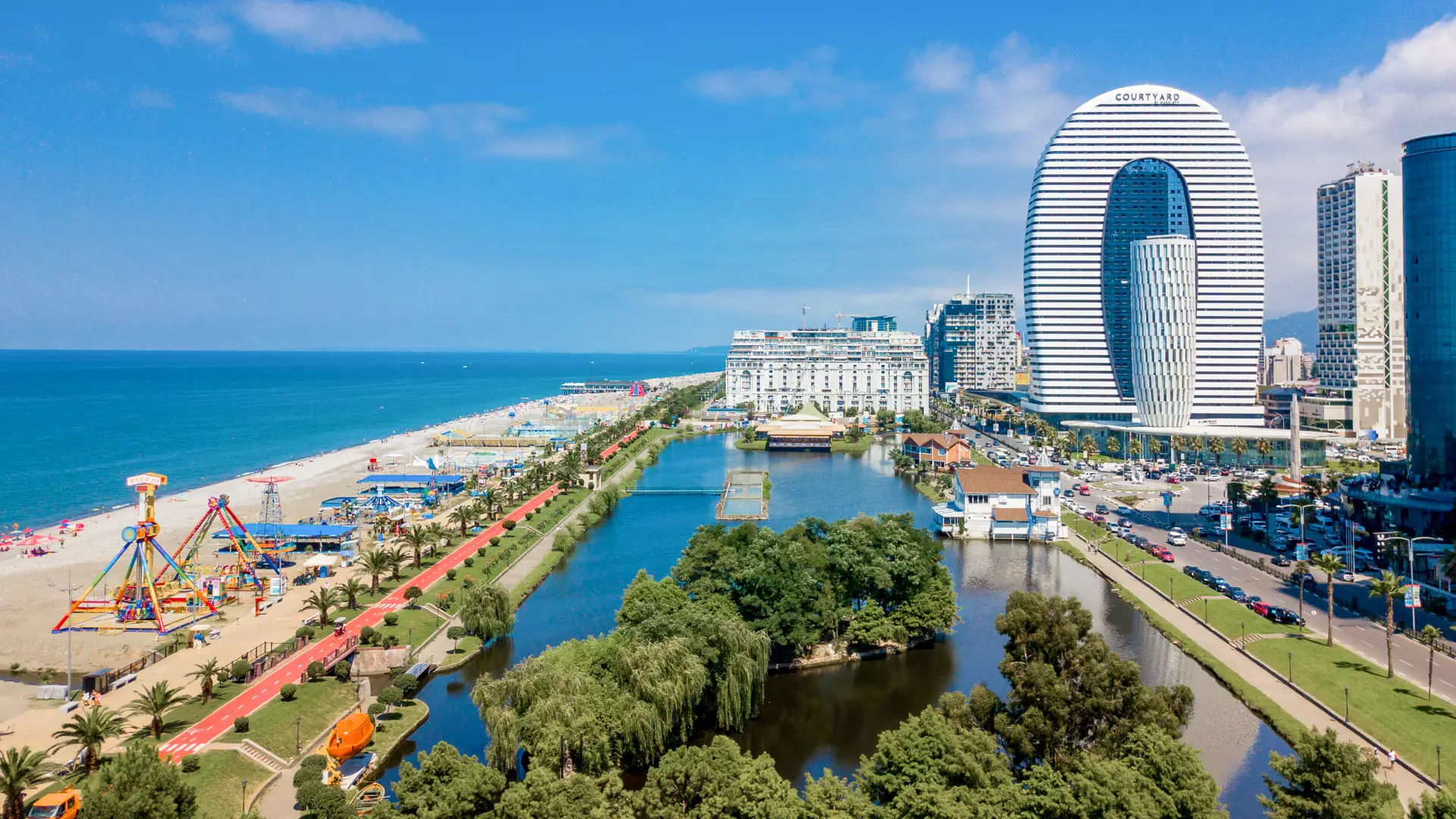
- Batumi: Georgia’s coastal wonder with beaches and modern architecture.
Itinerary
Tips:
Evening is perfect for exploring nightlife on Rustaveli Avenue.
Wear comfortable shoes for cobblestone streets.
Try a sulfur bath in Abanotubani for relaxation.
Best photo spots: Narikala Fortress & Bridge of Peace.
Tips:
Great for couples — known as the “City of Love.”
Start early to enjoy Sighnaghi viewpoints before crowds.
Wine tasting is a must—try traditional Qvevri wine.
Buy local cheeses; they pair well with Georgian wines.
Tips:
Try a Georgian Supra dinner for music, dance, and culture.
Visit Sameba Cathedral early to avoid crowds.
Mtskheta is a UNESCO site — dress modestly for churches.
Great shopping options: Dry Bridge Market & East Point Mall.
Tips:
Try a Georgian Supra dinner for music, dance, and culture.
Visit Sameba Cathedral early to avoid crowds.
Mtskheta is a UNESCO site — dress modestly for churches.
Great shopping options: Dry Bridge Market & East Point Mall.
Tips:
- For souvenirs: Flea market, Rustaveli Street, or local wine shops.
- Sulfur baths or spa sessions are great before your flight.
- Keep at least 3 hours buffer before airport departure.
Cost
The Cost Includes
- Pick-up or Drop-off service from and to Airport(in our own vehicle)
- Transportation to and from!!
- Food all along the trip(Breakfast, Lunch, Dinner and a cup of coffee or tea) and accommodations during the trip in hotels with family environment
- Transportation, food, accommodation and insurance of Guide during the trip
- Down jacket, all-season sleeping bag, duffel bag and trekking map(in case if you don’t have your own. Down jacket, sleeping bag and duffel bag must be returned after completion of the trip)
- First Aid Medical Kit(Your guide will carry the Medical Kit but we also advise to bring yourself for your own use, as far as possible)
- All the required permits and paperwork
The Cost Excludes
- International Airfare
- Visa Charges
- Hotel Expenses(In Kathmandu, some packages do include hotel expenses)
- Your travel and medical insurance
- Personal Expenses such as shopping, bar bills, hot shower, telephone, laundry, titbits etc
- Food and accommodations in Kathmandu
- Services not mentioned or not promised by the agent/agency
- Emergency expenses such as expenses on chartered helicopter.
FAQs
Annapurna Base Camp is a Grade B or a moderately difficult trekking route. So any fit person can do this trek, even if you do not have any previous experience. You should be aware of what to expect and mentally prepare for it. Then, as long as you will too, you can.
On average, you walk about 4 to 6 hours per day. One or two days can be as less as 3hrs and one or two days can be as long as 7hrs.
The highest altitude reached is 4190m. This is the elevation of Annapurna Base Camp. ABC is the highest we will climb in this trek.
Yes, you can charge batteries en route. Charger should be brought. There are hot shower facilities as well. You may have to pay a certain amount for both ($1-$2). Negotiate. Also, a hot water facility could be free at a lower elevation.
No. There are no ATMs on this trek route. You will have to draw enough cash in Pokhara or Kathmandu. There are a number of ATMs in these cities. Everything is paid in Nepali rupees. So money should be exchanged before the start of the trek.
Yes. The Internet can be accessed in most places. Sometimes, there might be some technical problems. The Internet in Nepal is not as fast as you are used to and at times you can just lose connection.
Not really. It depends on you. If you want, ABC trekking can be done independently. You could hire a guide and a porter by yourself instead of going through an agency or not hire a guide at all. Although, not having a guide can be a little problematic during the offseason.
It really depends on you. Is it your first time in Nepal? How confident are you of being able to find your way around? How pressed on time are you? If you go through an agency, it will be costlier but everything will be planned. You will only have to come, trek and return.
For the Annapurna region, pay for guides range from $20 to $30 per day and porters take $15 to $25 per day.