


Overview
Kazakhstan – The Heartbeat of Central Asia
A land of striking contrasts — from modern skylines to vast steppes and snow‑capped mountains, Kazakhstan is an adventure waiting to be explored.
Why Visit Kazakhstan
Kazakhstan offers Indians an exotic blend of modern comfort and untouched nature. With easy visa access and direct flights, it’s ideal for corporate groups, leisure travellers, and adventure seekers looking beyond the usual.
Highlights
- Almaty: Surrounded by mountains; visit Big Almaty Lake, Medeu Ice Rink, and Shymbulak Ski Resort.
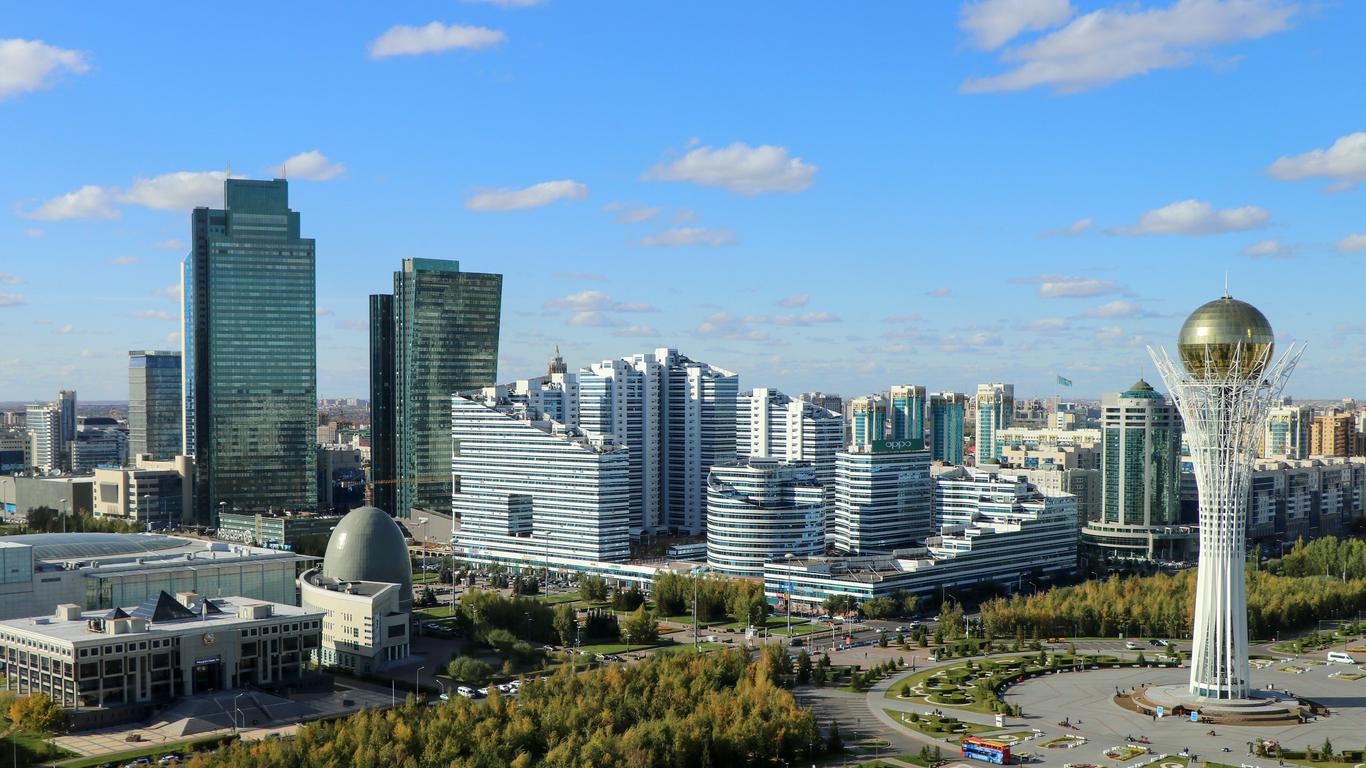
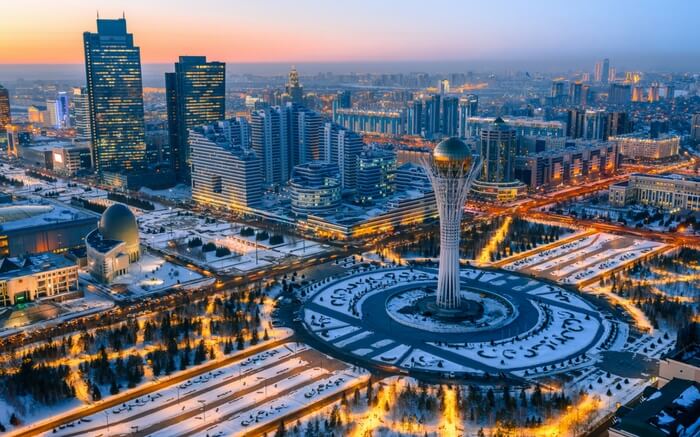
- Astana (Nur‑Sultan): A futuristic capital filled with impressive monuments and architecture.
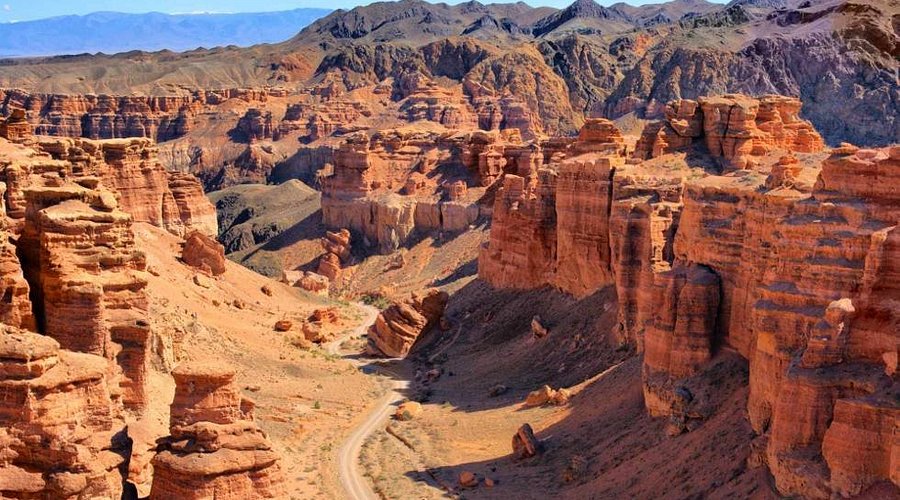
- Charyn Canyon: Known as the “Grand Canyon of Central Asia” — a must‑visit for nature lovers.
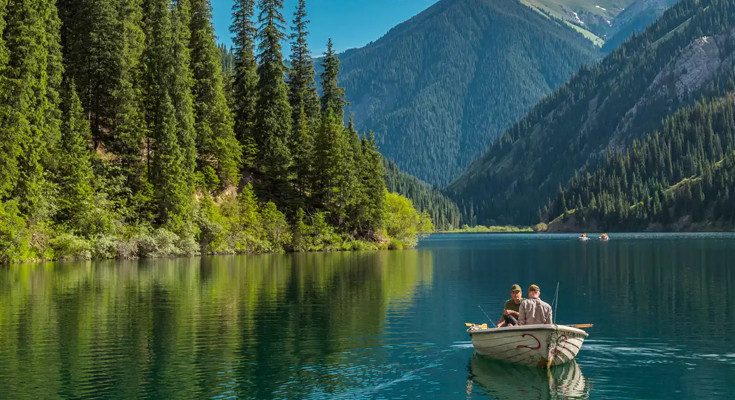
- Kolsai Lakes: A peaceful retreat perfect for trekking and boating.
Itinerary
Tips:
Always keep a light jacket; Almaty weather changes quickly.
Big Almaty Lake looks best in the morning—carry warm clothes as temperatures drop suddenly.
For Medeu Ice Rink, weekdays are less crowded.
Shymbulak Ski Resort offers cable cars with stunning alpine views — book early during winter.
Tips:
Public transport is good, but taxis are inexpensive and convenient.
A futuristic city perfect for night photography — buildings glow beautifully after sunset.
Must-see spots: Bayterek Tower, Khan Shatyr Mall, and Hazrat Sultan Mosque.
The city can be windy—carry a windbreaker.
Tips:
Known as the “Grand Canyon of Central Asia” — best visited during sunrise or sunset for dramatic colors.
Wear sturdy shoes; trails can be rocky and uneven.
Carry enough water—shade is limited in the canyon area.
A guided tour is recommended for first-time visitors.
🏞️ Kolsai Lakes
Tips:
Ideal for trekking and boating—plan at least half a day.
Weather can get chilly; pack layers even in summer.
The first lake is easy to reach; the second lake requires moderate trekking.
Bring snacks, as food options near the lake are limited.
If you want, I can also create:
✔ A 5-day Kazakhstan itinerary
✔ A website/landing page description
✔ A WhatsApp-ready short version
Just tell me!
Tips:
Bring snacks, as food options near the lake are limited.
Ideal for trekking and boating—plan at least half a day.
Weather can get chilly; pack layers even in summer.
The first lake is easy to reach; the second lake requires moderate trekking.
Cost
The Cost Includes
- Pick-up or Drop-off service from and to Airport(in our own vehicle)
- Transportation to and from!!
- Food all along the trip(Breakfast, Lunch, Dinner and a cup of coffee or tea) and accommodations during the trip in hotels with family environment
- Transportation, food, accommodation and insurance of Guide during the trip
- Down jacket, all-season sleeping bag, duffel bag and trekking map(in case if you don’t have your own. Down jacket, sleeping bag and duffel bag must be returned after completion of the trip)
- First Aid Medical Kit(Your guide will carry the Medical Kit but we also advise to bring yourself for your own use, as far as possible)
- All the required permits and paperwork
The Cost Excludes
- International Airfare
- Visa Charges
- Hotel Expenses(In Kathmandu, some packages do include hotel expenses)
- Your travel and medical insurance
- Personal Expenses such as shopping, bar bills, hot shower, telephone, laundry, titbits etc
- Food and accommodations in Kathmandu
- Services not mentioned or not promised by the agent/agency
- Emergency expenses such as expenses on chartered helicopter.
FAQs
Annapurna Base Camp is a Grade B or a moderately difficult trekking route. So any fit person can do this trek, even if you do not have any previous experience. You should be aware of what to expect and mentally prepare for it. Then, as long as you will too, you can.
On average, you walk about 4 to 6 hours per day. One or two days can be as less as 3hrs and one or two days can be as long as 7hrs.
The highest altitude reached is 4190m. This is the elevation of Annapurna Base Camp. ABC is the highest we will climb in this trek.
Yes, you can charge batteries en route. Charger should be brought. There are hot shower facilities as well. You may have to pay a certain amount for both ($1-$2). Negotiate. Also, a hot water facility could be free at a lower elevation.
No. There are no ATMs on this trek route. You will have to draw enough cash in Pokhara or Kathmandu. There are a number of ATMs in these cities. Everything is paid in Nepali rupees. So money should be exchanged before the start of the trek.
Yes. The Internet can be accessed in most places. Sometimes, there might be some technical problems. The Internet in Nepal is not as fast as you are used to and at times you can just lose connection.
Not really. It depends on you. If you want, ABC trekking can be done independently. You could hire a guide and a porter by yourself instead of going through an agency or not hire a guide at all. Although, not having a guide can be a little problematic during the offseason.
It really depends on you. Is it your first time in Nepal? How confident are you of being able to find your way around? How pressed on time are you? If you go through an agency, it will be costlier but everything will be planned. You will only have to come, trek and return.
For the Annapurna region, pay for guides range from $20 to $30 per day and porters take $15 to $25 per day.